Development at the Edge of Space
Born from years of research in atmospheric science and radiation monitoring, ARGOS is not just a balloon system — it’s a testbed for human ingenuity at the limits of Earth’s atmosphere.

A Platform Born from Curiosity
It started as a question inside Space Environment Technologies: how can we bring our space weather research closer to the edge of space itself? The first ARGOS prototype was built in 2017 — a simple high-altitude balloon carrying radiation sensors designed for short test flights.
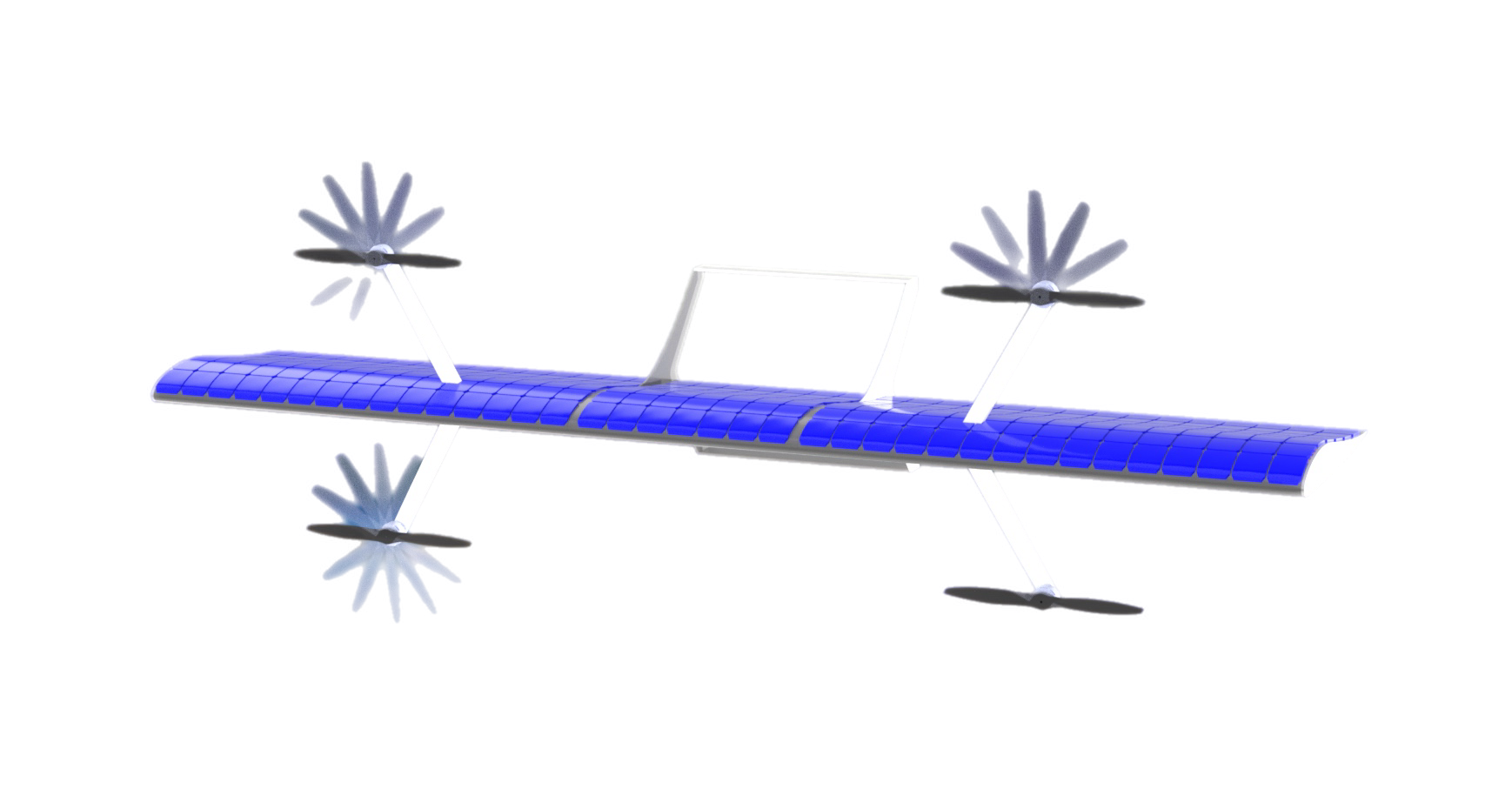
From that modest beginning, Argos evolved into a modular stratospheric vehicle capable of carrying multiple payloads, collecting synchronized atmospheric data, and operating autonomously during ascent and float. Today, ARGOS (v4) continues that legacy — serving as a flexible platform for science, technology testing, and flight-readiness demonstrations.
ARGOS Payload & Flight Capabilities
Payload Capacity & Form Factor
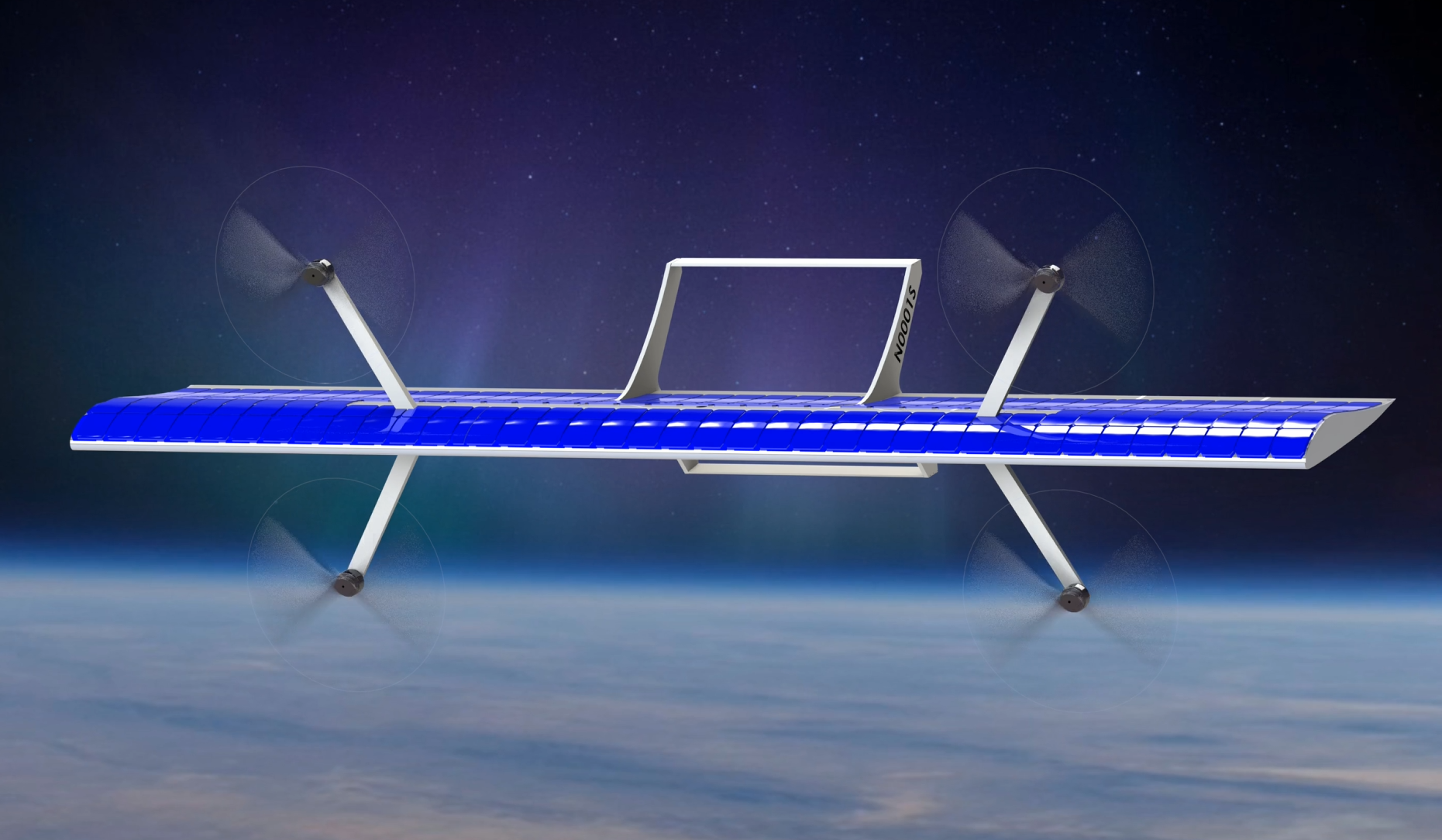
ARGOS supports payloads with a maximum mass of 10 kg. Standard payload volume accommodates instruments up to 10 cm in height, 10 cm in width, and a maximum length of 100 cm.
Flight Altitude Envelope
Operational flight elevations range from a minimum of 8 km to a maximum of 20 km, enabling high-altitude measurements while maintaining platform stability.
Payload Power Availability
Power requirements and availability are currently under evaluation and will be defined as mission-specific payload needs are finalized.
Dual-Viewpoint Payload Configuration
All payloads benefit from two distinct viewpoints: one mounted on the top of the wing and one on the bottom of the wing, supporting simultaneous upward and downward observations.
Launch Flexibility & Environmental Requirements
ARGOS is designed for flexible launch locations; however, successful operations require near-ideal atmospheric conditions, including clear skies and low or no wind.
Additional Information:
Engineering the Future: Argos v4
Version 4 of the ARGOS vehicle introduces a lightweight carbon-fiber frame, a modular avionics bay, and real-time telemetry linked to SET’s space weather models. Every component is designed for adaptability — so your payload doesn’t just fly, it learns.
Flying Today
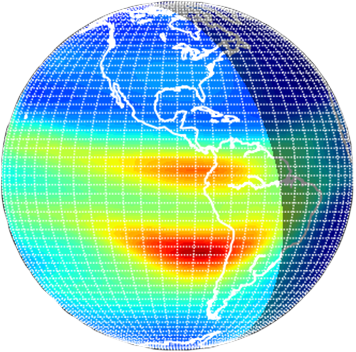
ARGOS currently operates from Mojave, California — with test launches reaching altitudes of 33 kilometers (108,000 feet). Each flight carries an evolving suite of radiation sensors, environmental monitors, and experimental telemetry packages. Our ongoing missions refine atmospheric models, validate hardware, and create opportunities for partner payloads to fly alongside.
Fly with Us
ARGOS isn’t a closed program — it’s a shared testbed. If you have a payload concept ready for flight testing, we’ll handle integration, power, telemetry, and mission logistics. You just bring the science.